Duos AI
Redesigned monetisation and feedback flows for an AI-powered interview prep app
Role: Product Designer
Platforms: Cross-platform app
Overview
Duos AI is an AI-powered product focused on helping users prepare for interviews through practice and feedback.
I am working across monetisation, experimentation, visual and product flow to improve conversion and enable faster iteration..
Problem
The product had strong core functionality, but:
Monetisation flows were not optimised for conversion
No structured experimentation system (A/B testing)
Paywalls were difficult to iterate on quickly
Limited visibility into user behaviour and feedback across flows
Hypothesis:
If we improve how and when users encounter monetisation, and enable faster experimentation, we can increase conversion and learn what actually drives it.
Solutions
Focused on two areas:
1. Monetisation clarity & timing
Make upgrade moments more contextual and aligned with user intent
2. Communication with users from different area of flow in one CRM System
Discovery & direction
Building on existing research, I focused on identifying which features users valued most and where monetisation could be introduced without disrupting the experience.
I analysed user behaviour patterns and key triggers to understand when users were most engaged and where monetisation would feel natural and useful.
Early on, I also proposed evolving the monetisation strategy to strengthen the product’s value proposition - particularly in the context of future investor conversations.
Contribution
I presented several monetisation directions to the team, focused on aligning upgrade prompts with high-intent moments in the user journey based on research like competitors, other screens, articles about mental models, my knowledge and common sense.
After alignment, I took ownership of designing and implementing paywall experiences.
The goal was to ensure monetisation felt like a natural extension of value, rather than an interruption.
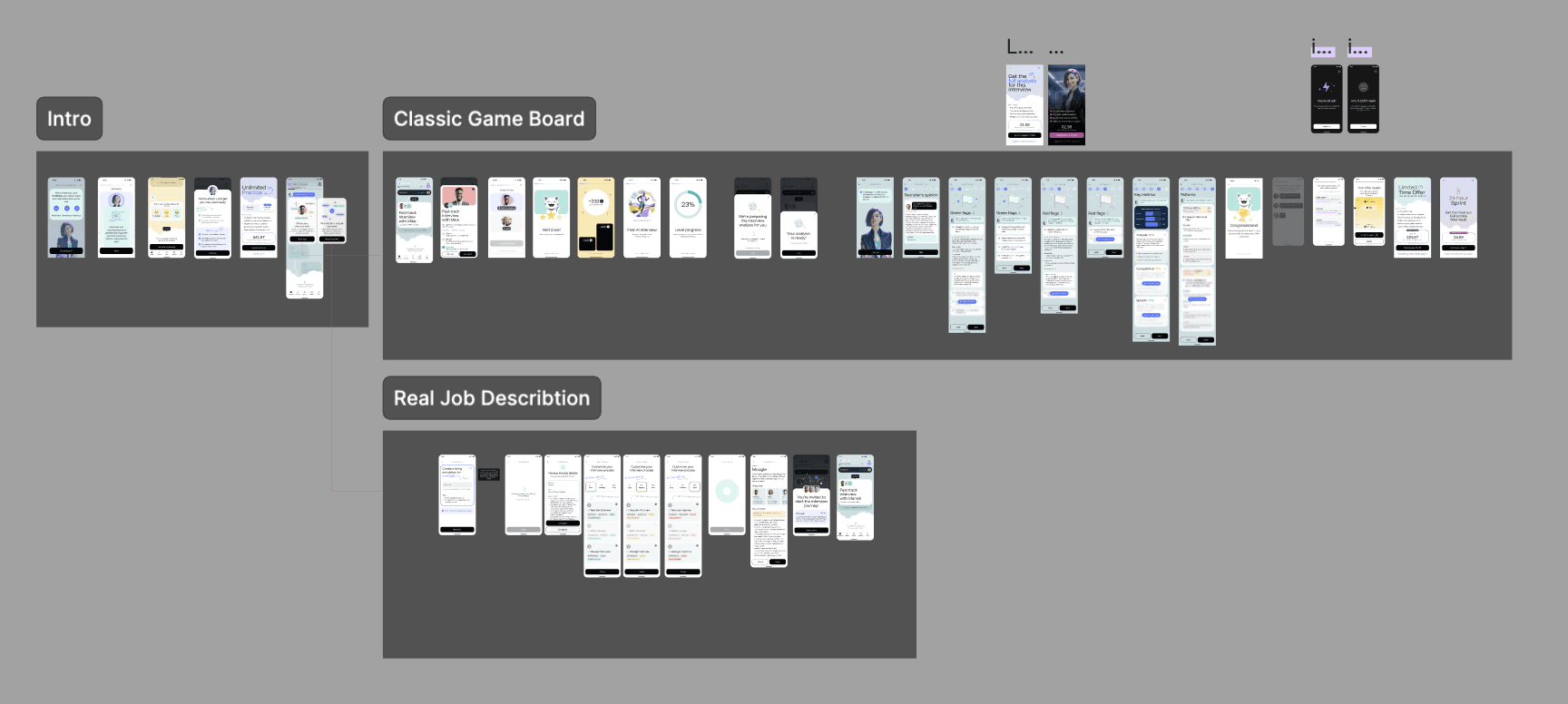
Draft
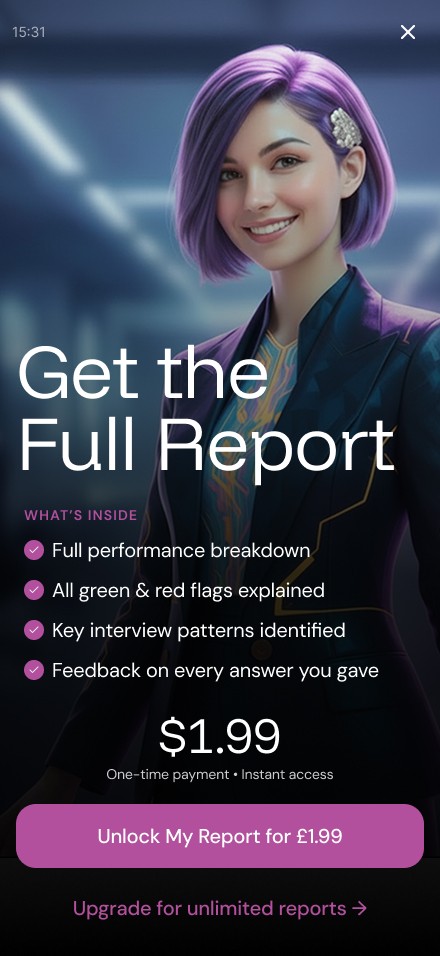
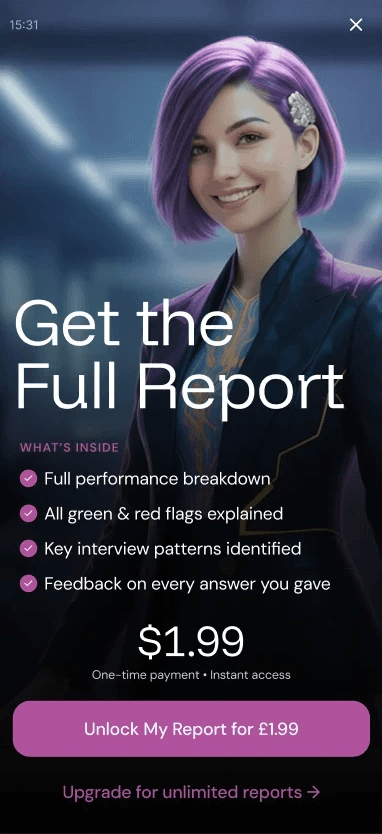
Before I was even thinking about UI, I created a draft paywall with AI to quickly discuss with the team that we are happy with the direction, information, and proposal.
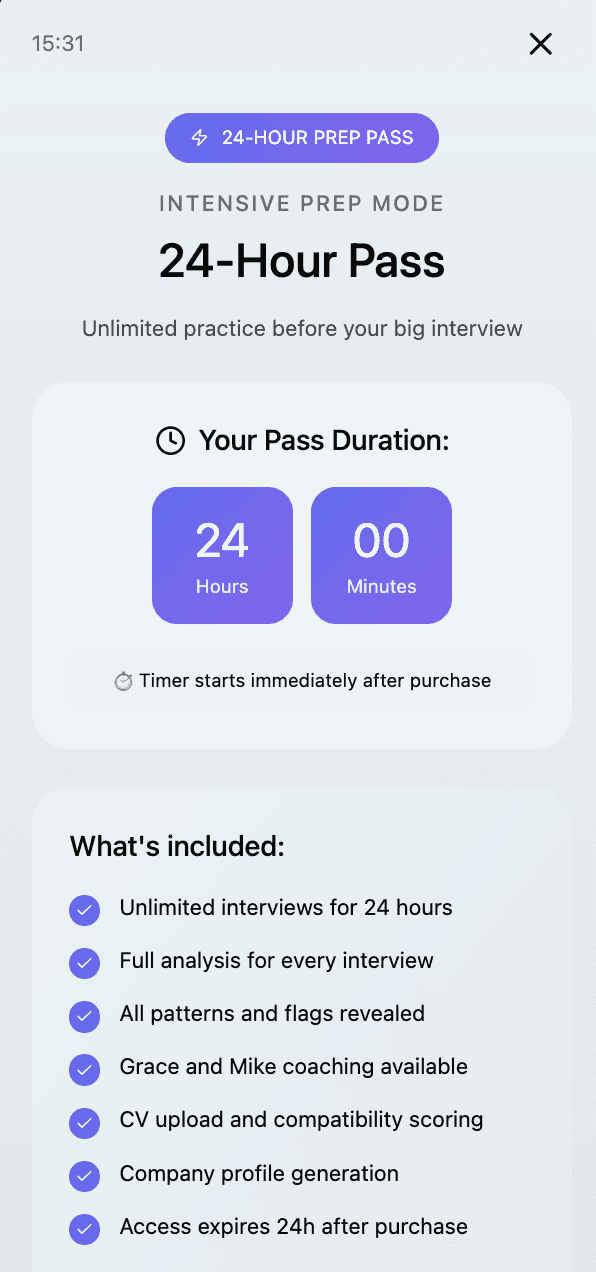
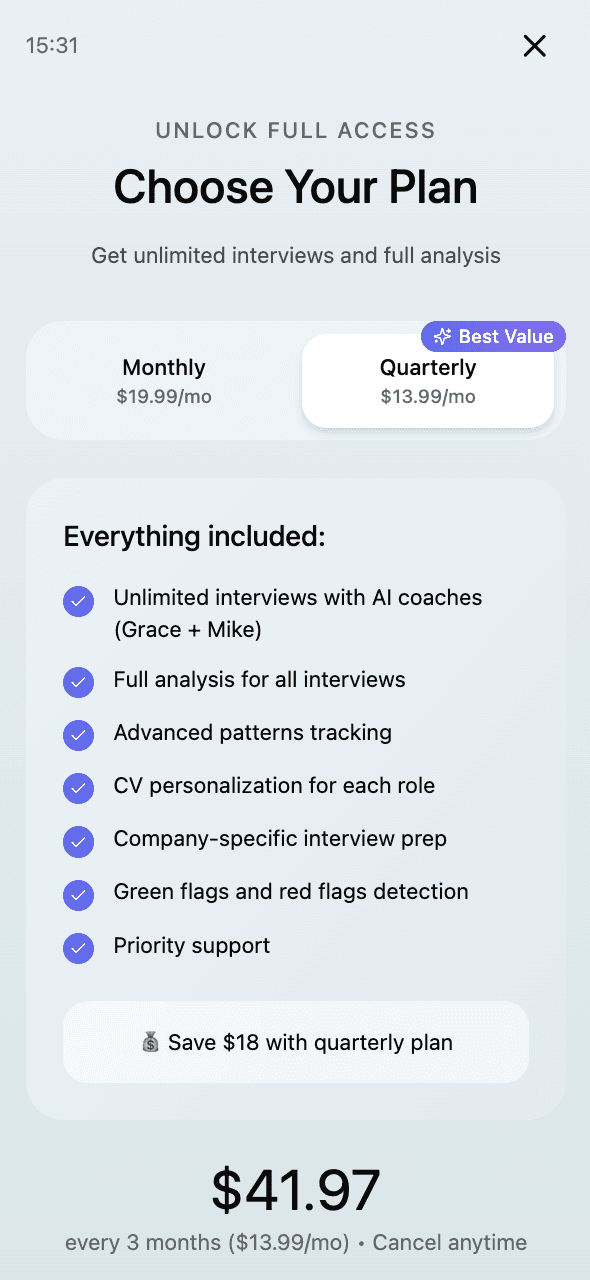
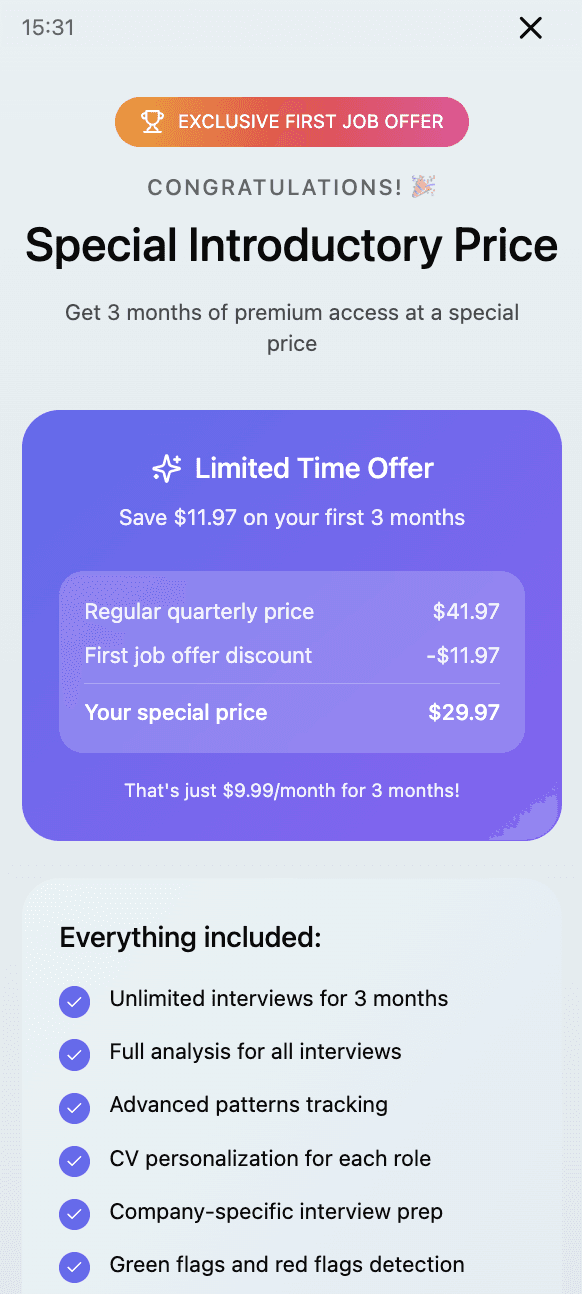
Versions
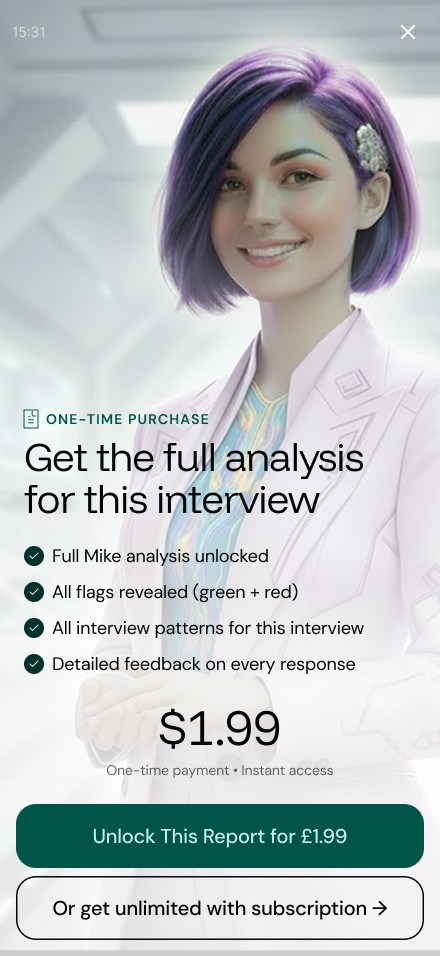
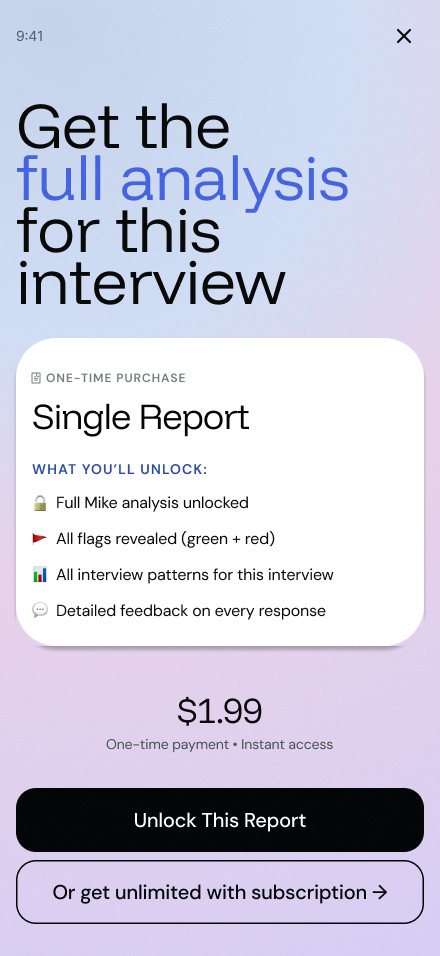
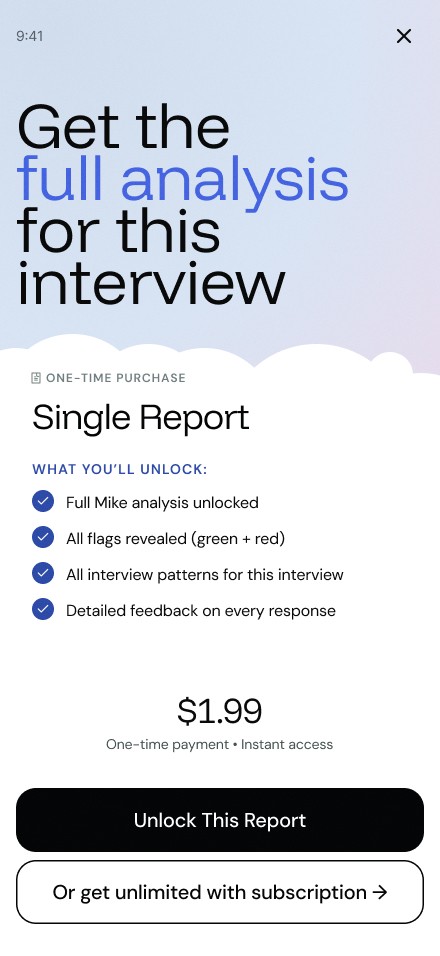
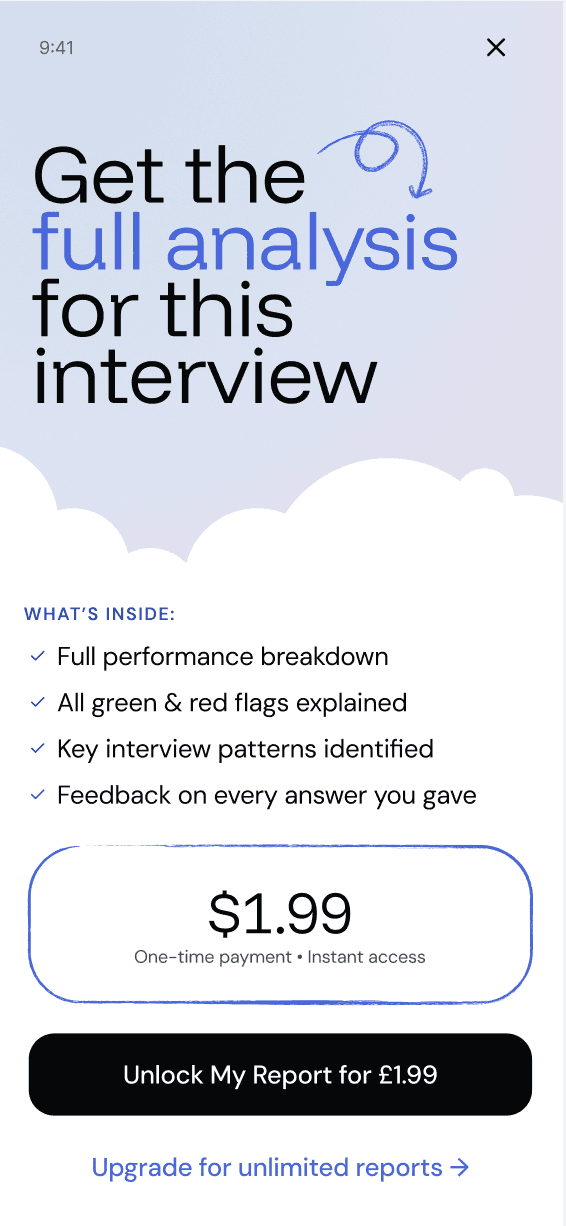
Created a new version and presented it to the team for discussion.
Each team member contributed their perspective, which I filtered and incorporated into the updates.
Testing
A/B testing setup
(On one paywall to reduce timing of implementation)
Introduced structured experimentation approach
Designed multiple paywall variations for testing
Enabled faster iteration cycles based on results
Implementation
Paywall implementation (Adapty)
Translated designs from Figma into Adapty manually
Built flexible paywall configurations for testing
Reduced dependency on engineering for updates
Handled legal requirements - Terms, Privacy Policy, and Return Policy


Contex
As AI technology was developing rapidly, our team identified an opportunity to move to a new engine that offered better speed and performance.
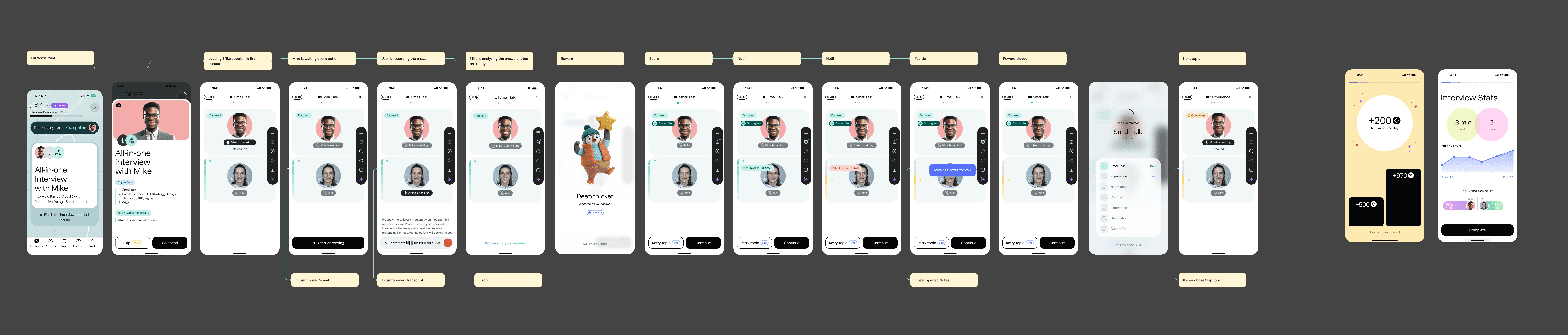
The migration also gave us a chance to rethink the interview experience. We explored ways to make interviews easier and more supportive for users through gamification and guidance — including features that help users structure their responses, understand recruiter questions, and prepare stronger answers.
Together with stakeholders, we reviewed and prioritised the initial feature list, narrowing it down to the most valuable functionality for the first release.
Contribution
I received an early visual concept from a stakeholder and translated it into a complete product experience. I redesigned the screens, defined the interactions, and iterated on the experience with the team.
I'll soon launch fully detailed case; here is overview of what I've been working on

Old interview flow and features

Concept 1

Concept 2
Final version

Web version
💬 Feedback
Impact
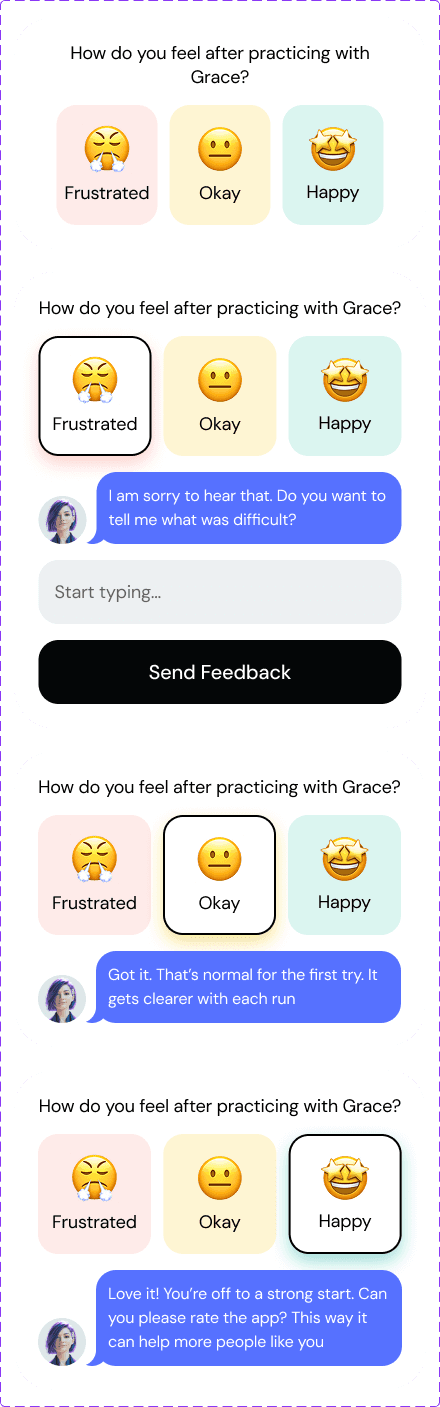
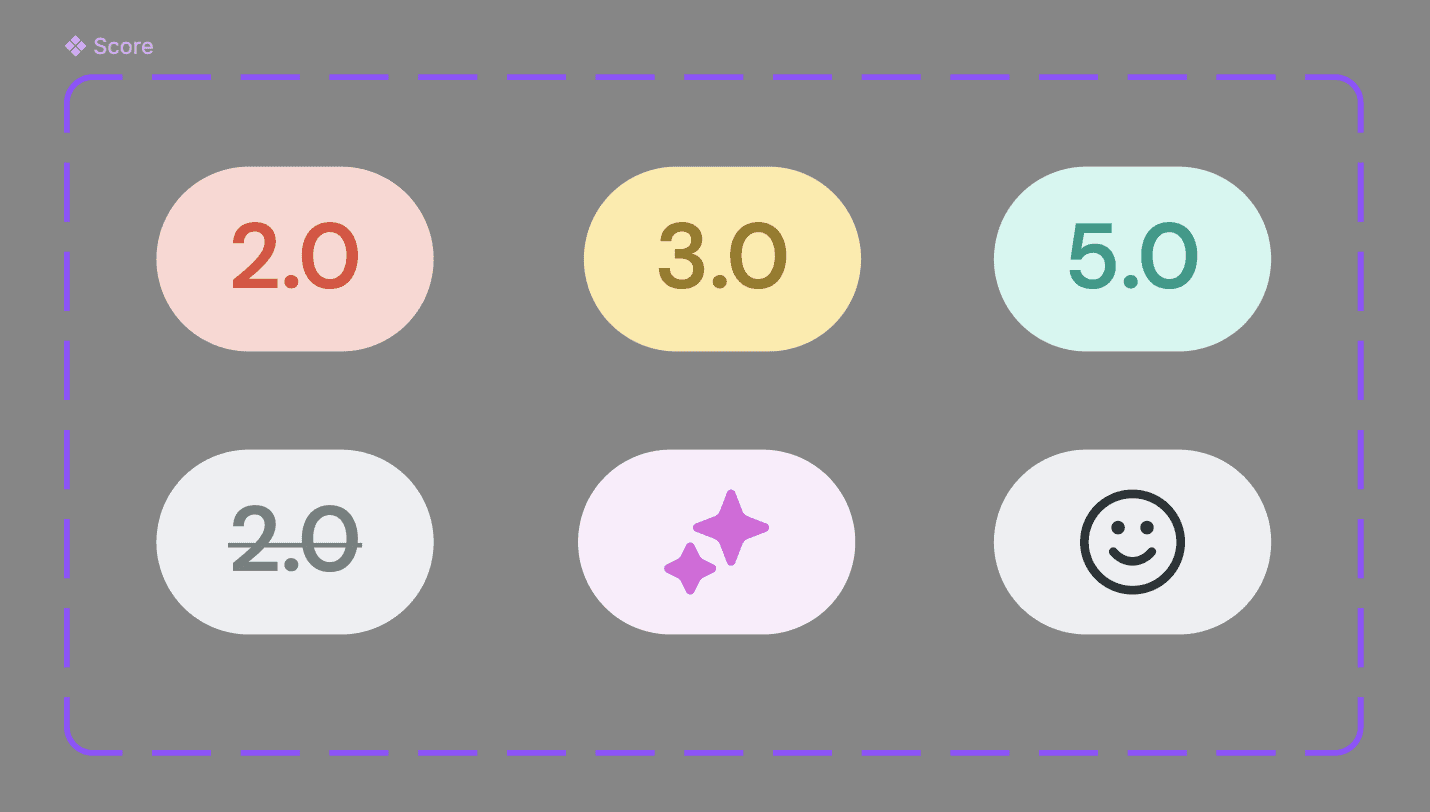
Now, our feedback approach looks like this, and we have three options for communication:
1) If a user is frustrated after an interview, we acknowledge their feelings and sympathise, while also gathering feedback to understand how we can improve the process in the future.
2) If the feedback is neutral, we simply acknowledge it.
3) If the user is happy, we take the opportunity to gather an App Store rating and ask for a review, which is available in your app after the user logs in for the first time.
Additionally, I have added animation and fun elements to encourage more emotional interaction.
Other things
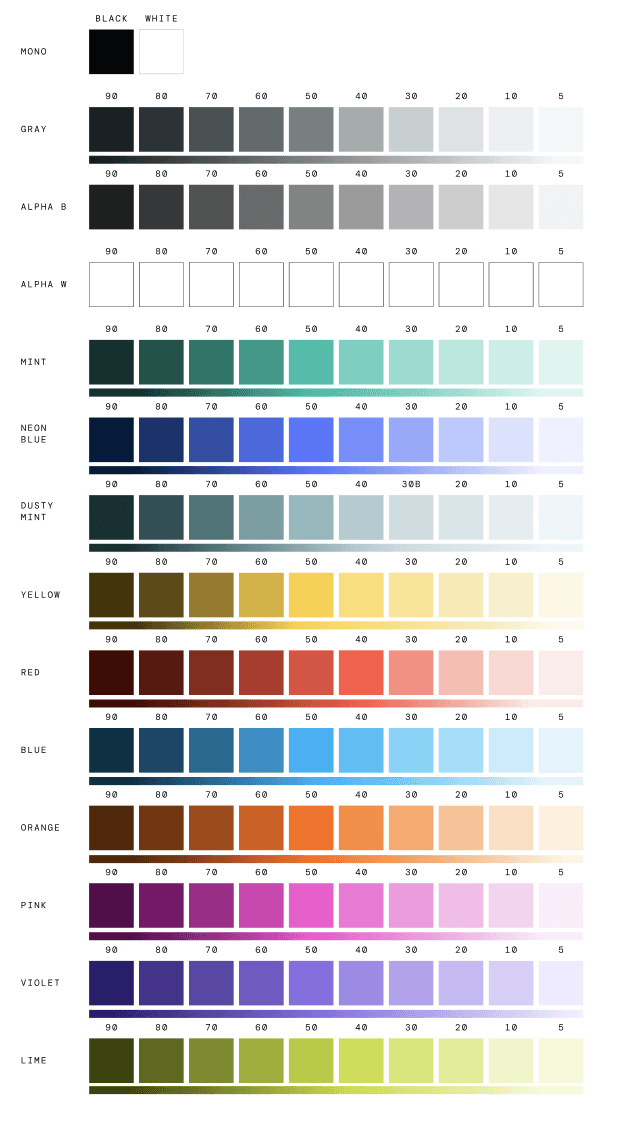
I work on the design system by maintaining and publishing components, ensuring everything is responsive and consistent throughout the app.

✨ Results
These projects are currently in progress. We are implementing and testing the solution, and I will update this case study once measurable results are available.